To coincide with the updated Watch List from the Rare Breed Survival Trust released this past week, we thought we’d share more information about the rare breeds we have at Harlings.
Here at Harlings we’re all about farming with care, purpose, and a love for tradition. Since we set up our smallholding in 2019, we’ve made it part of our mission to look after some of Britain’s rarest native animals.
We’re proud to be the first Rare Breeds Survival Trust (RBST) accredited Educational Farm Park in Devon – and we’re on a mission to share our love for these amazing animals with the world.
So, What is the Rare Breed Survival Trust?
The Rare Breeds Survival Trust is a brilliant UK charity that’s been around since 1973. Their whole focus is saving native farm animals that are at risk of disappearing altogether. Since they’ve started their amazing work, no UK-native breed has gone extinct under their watch – and we think that’s pretty incredible.
They keep a close eye on which breeds are struggling, and help farms like ours protect and promote them. And we’re thrilled to be doing our bit here in Devon.
Meet Our Rare Breeds (and our other animals!)
Our animals aren’t just part of the farm – they’re part of the Harlings family. Here’s a little introduction to some of the stars of the show:
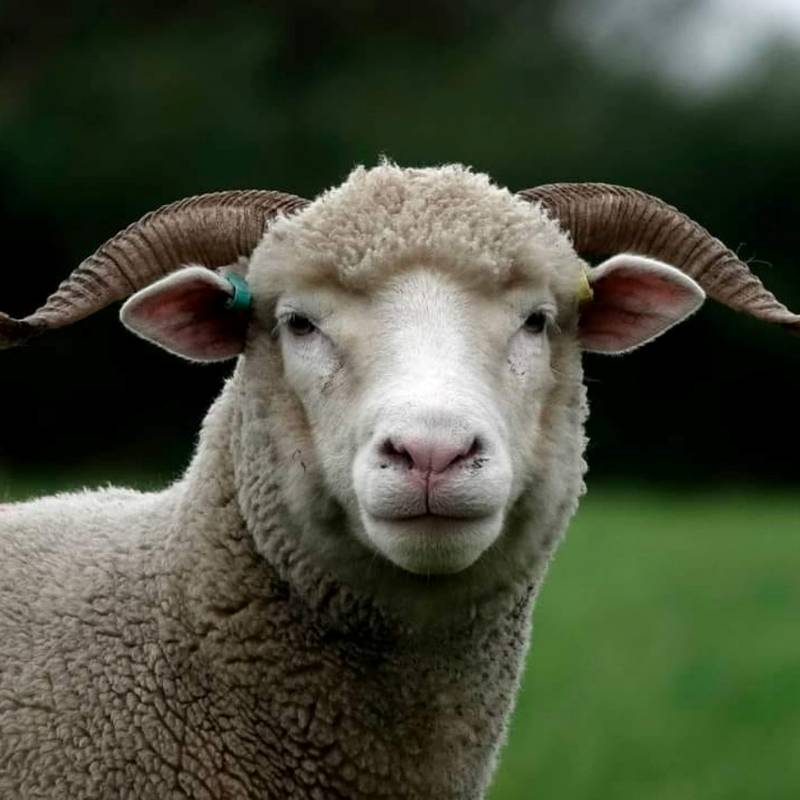
- Dorset Horn Sheep – These beauties have been around since the 1600s. They’ve got amazing spiral horns and produce delicious meat and lovely wool. They’re calm, friendly, and just a joy to have around. We have a very special Dorset Horn in our heard with one eye… and that’s exactly what she had – one eye! She was the first of the heard to give birth to lambs this year.
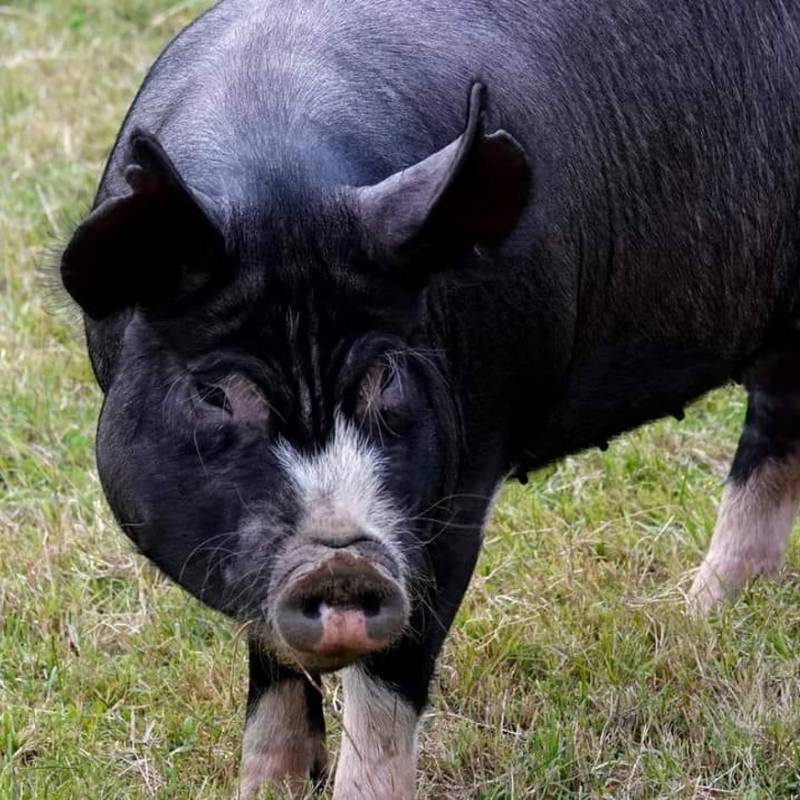
- Berkshire Pigs – If you’ve never seen a Berkshire pig, you’re in for a treat. They’re black with cute white socks and snouts, and they produce some of the tastiest pork out there. We have Barbara, Boris,
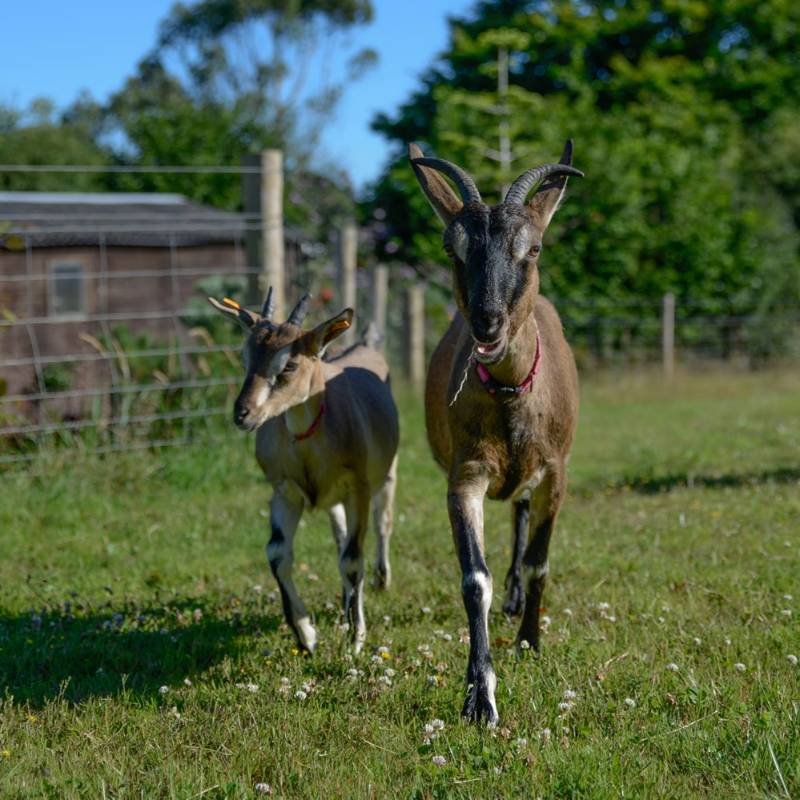
- English Goats – Friendly, curious, and full of character, our English goats are real charmers. They’re great milkers, too – perfect for soap and cheese making. A firm favourite with our visitors is Buddy – a wethered Male who leads the heard in their cheeky-goat ways!
- Gloucester Cows – These gorgeous traditional cows are gentle giants. Our two girls, Holly and Molly, are total sweethearts and love a good fuss. They have made an unlikely friendship with our Dorset Horn and Zwartble (non rare-breed) Rams and are often seen chilling in the field together!
- Campbell Ducks – They might have funny little waddles, but these ducks are brilliant egg layers and fantastic foragers.
- Shire Horses – Bobby and Flo are our resident Shires. Flo is a gentle giant and is expecting a foal in June, and Booby has a joyful nature (and is still getting the hang of being a Shire Horse!)
We’re also home to non-rare breed animals. Our beautiful Welsh Section D and Shetland Ponies are British Native breeds:
- Welsh Section D Ponies – Ponies have historically been work animals, both for riding and for pulling carriage. Our two registered Welsh Section D ponies, Catrin and Dylan, are no different. Born and bred in Wales, they’re hardy, high-spirited animals who like to take pride in what they enjoy, and are great at both ridden and driven disciplines.
- Shetland Ponies & Miniature Shetland Ponies – Hardy and full of spirit, Dinky and Dolly (our Miniature Shetlands), and Doodle and Dancer (our regular Shetlands) are a huge part of our education sessions. They’re lovely with visitors and always ready for an adventure – including pony agility! They are Britain’s smallest native pony breed.
… we’re also expecting to hatch some lovely Sussex Speckled Chickens over the next few months, which will help provide eggs (along with the ducks) for use in our soon-to-open farm shop, cafe and restaurant (you can read our latest farm shop, cafe and restaurant update here).
Why Rare Breeds Matter
Looking after rare breeds isn’t just about saving cute animals. These breeds have been part of British farming for generations – they’re hardy, well-suited to our land, and they help keep our countryside alive.
By keeping these animals on our farm, we’re helping to protect their future and support more sustainable, diverse farming.